
Suki Ezung
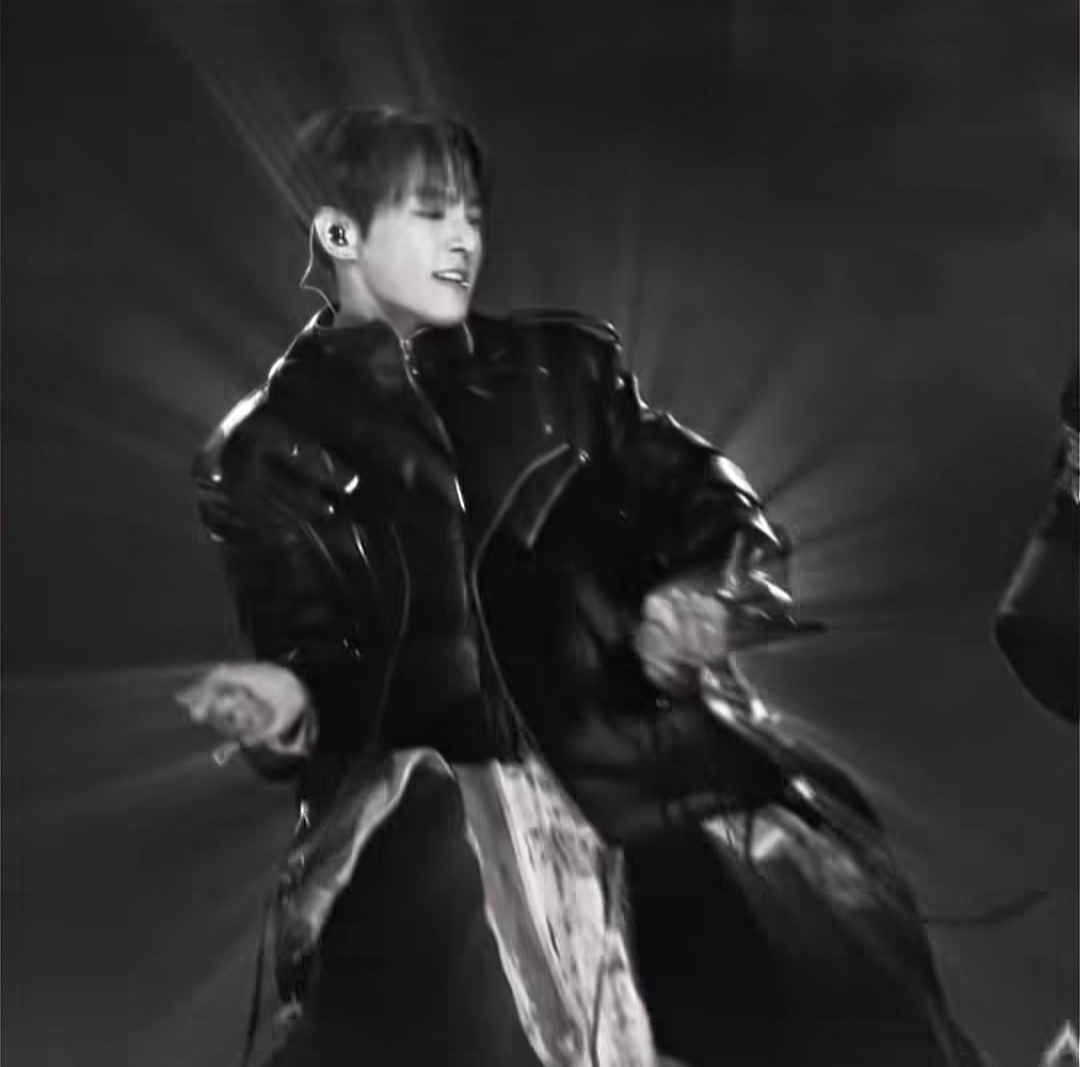
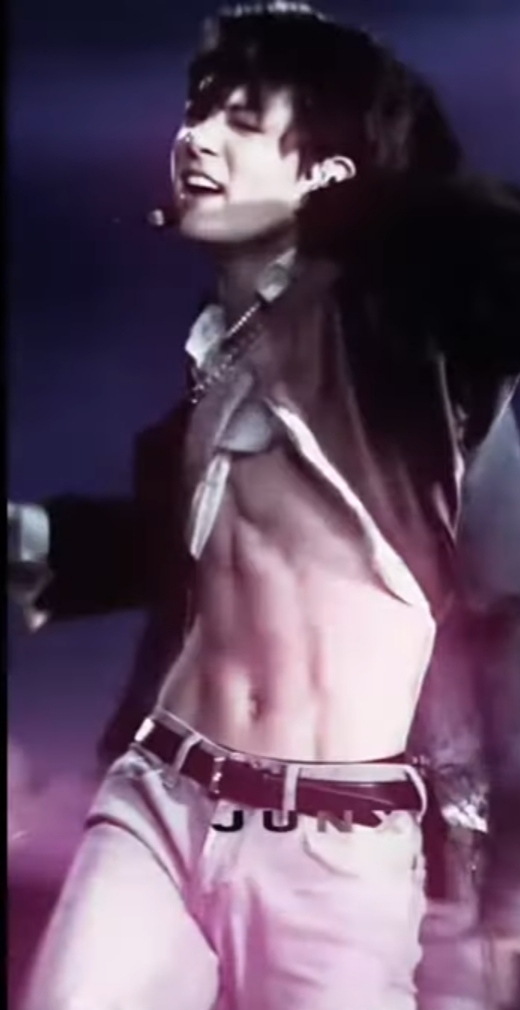
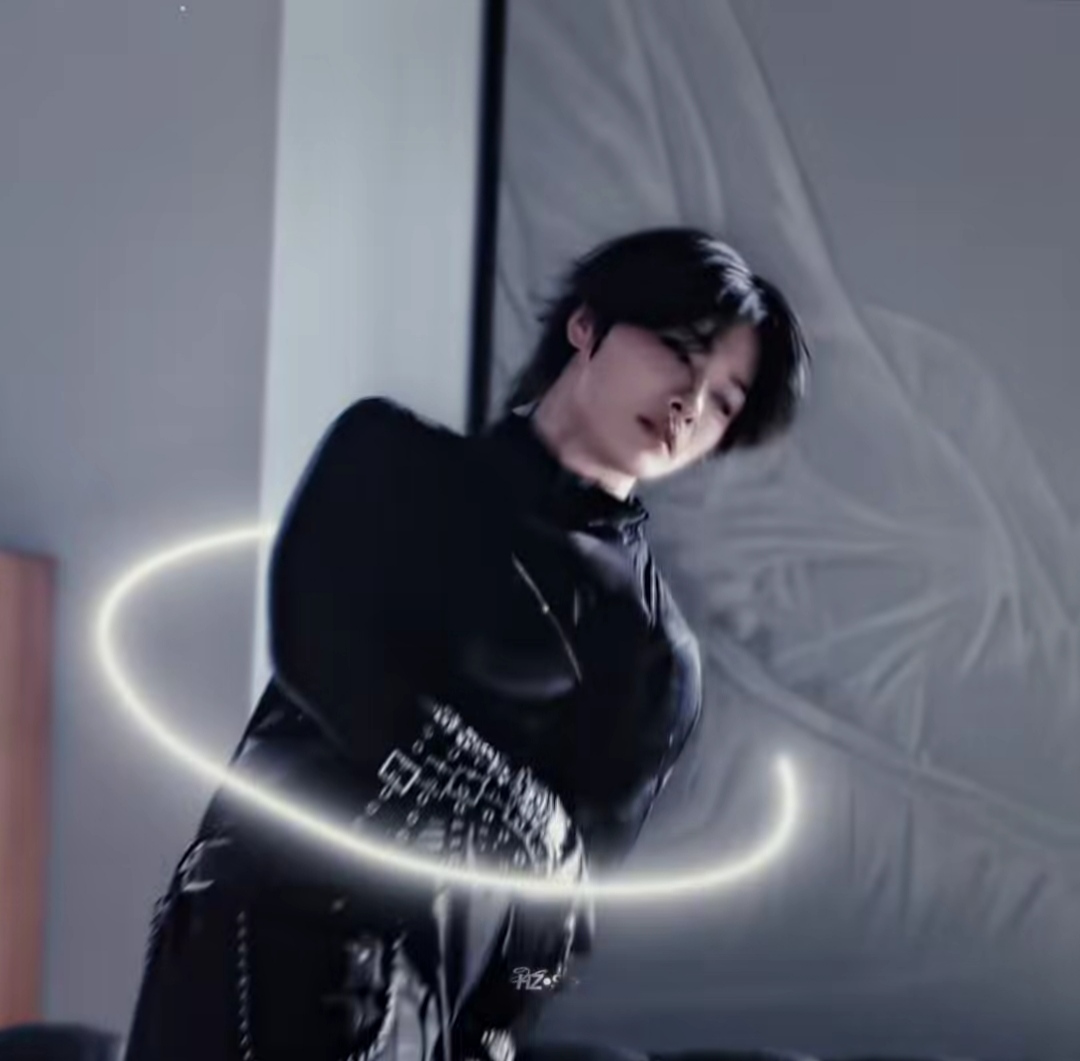
It all started during lockdown—a time of uncertainty and chaos as the dreadful COVID-19 pandemic swept the world by storm. With everybody confined indoors and normal life put on pause, social media quickly became everyone’s escape; they downloaded reels and videos and endlessly scrolled to pass the time. During such an isolating period—content was everywhere. Everyone was watching Mukbang, cooking videos, TikTok dances. People found a way to distract themselves with entertainment despite the circumstances and I, too, became one of them, indulging in it responsibly while still managing my time. It felt harmless, just a way to stay entertained and connected. However, among the endless stream of videos, there was one particular type of content that completely captured my attention. No matter how much I tried to scroll past or limit myself, I found it impossible to resist. Thirst trap edits.
All over my feed on TikTok, I watched them religiously every single day. I would completely lose it over how devastatingly attractive my favourite actors looked, enhanced by dramatic flashes, sharp zooms, and perfectly timed edits. The music always set the mood, making every glance and every line feel even more intense. On weekends, I would binge-watch my favourite series and then immediately rush to TikTok to relive the best moments, the ‘hot’ repeated lines layered with flashy colours and catchy songs I had never even heard before. It became a routine, something I genuinely looked forward to.
When TikTok was banned in India, I felt an odd personal loss. My daily dose of dramatic edits had vanished overnight. For a while, I sulked and then I had a thought: why not make my own? So, I did.
My first edit wasn’t my best work, but as a teenager at the time, I was convinced it was the coolest edit ever created. It featured one of my favourite K-pop singers, Jungkook, his rock-hard abs splashed dramatically across my screen, set to the trending song “SexyBack” by Justin Timberlake. Looking back, it was chaotic and overly dramatic. But at the time, I had an epiphany. I had discovered something thrilling—the power to turn ordinary clips into something intense, flashy, and attention-grabbing. I was so proud of this newfound hobby that I eagerly showed it to people I knew, expecting them to admire the effort and creativity. Instead, I received concerned expressions and the word “cringe” delivered with painful honesty. After making a few more edits, I decided to stop. Their reactions were disappointing, and it felt like I was wasting my time without getting anything out of it. But every now and then, I would still sneak in a little editing during my free time. Eventually, it became my little secret—my own guilty pleasure that I kept to myself.
When normal life finally returned after lockdown, I stopped editing altogether and focused on my studies. After some time, however, I found it difficult to reconnect with people again. It didn’t help that I had shielded myself away in a corner, focusing only on my books. By the time I tried to interact with others, our conversations rarely aligned. Their topics and mine hardly overlapped, and I often found myself sitting quietly while they talked among themselves. Life began to feel dull, boring, and strangely lonely. And in that quiet loneliness, my ‘guilty pleasure’ slowly trickled back into my daily life.
Editing celebrities was no longer enough for me. I wanted more—I wanted to feel included. Being the impulsive teenager I was, I began developing the unhealthy habit of editing people I actually knew: my family, my teachers, my classmates, and anyone else who caught my attention.
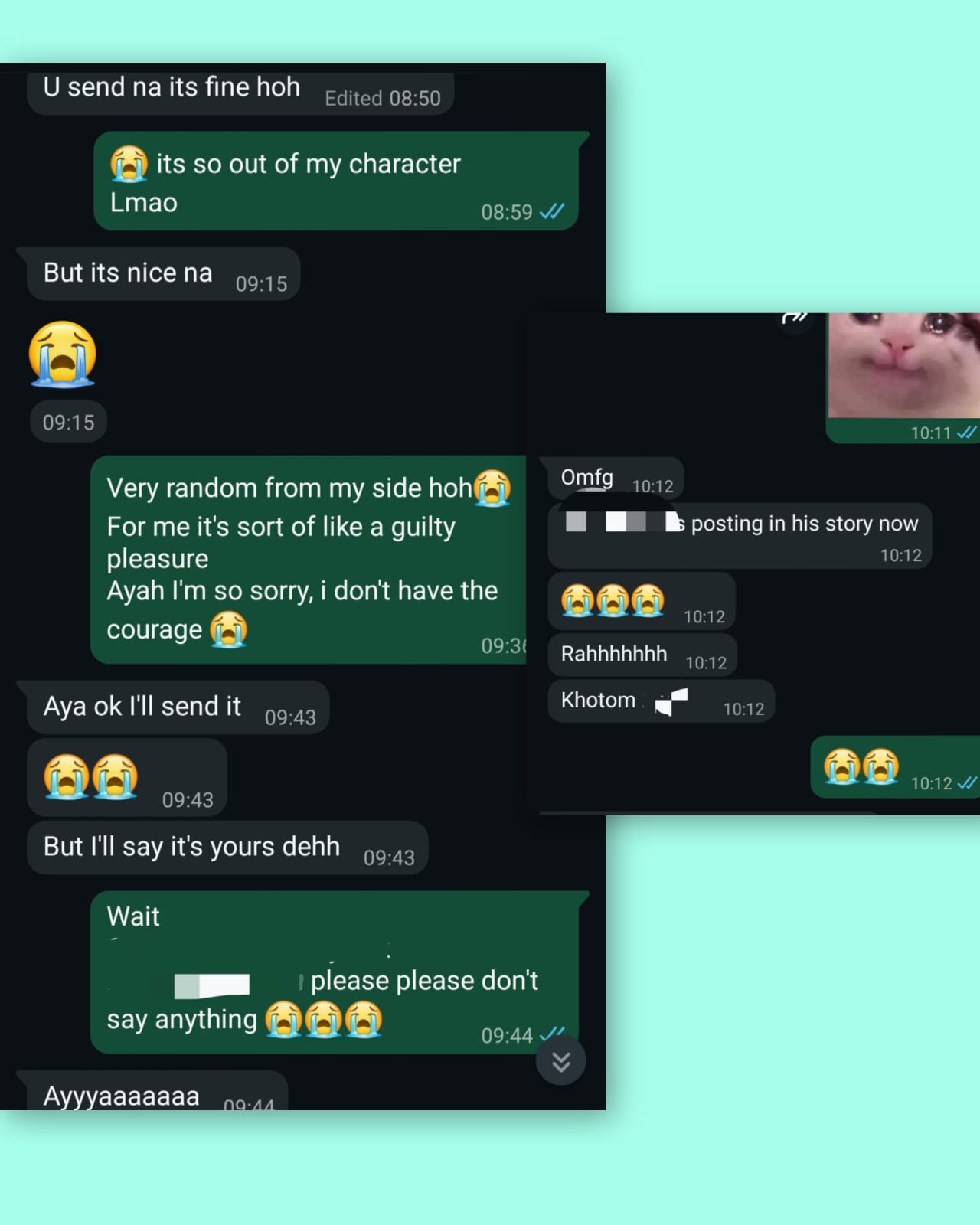
My mischief usually began when someone posted pictures or videos in the class group chat. After classes ended, I would rush home, grab my phone, and start tinkering with them. Once the edits were done, I would circulate them through third parties, carefully keeping my name anonymous, as if I were doing something slightly illegal. I convinced myself it wasn’t a bad thing—after all, I always made them look cooler in my edits. Some were dramatic thirst traps—like one of my bald Political Science teachers set to a Megan Thee Stallion song—while others were goofy, exaggerated edits of my mischievous classmates. Nothing harmful, just plain fun.
When the edits started circulating widely, I would overhear whispers about them in school. Of course, some people labelled them “cringe,” but those same people reposted them on their stories. Others commented on how funny they were—how accurate, how unexpected. These conversations would drift past me, just within earshot, and I would sit there pretending not to notice. No one ever complained, so no one bothered asking who the creator was. And no one suspected me. After all, I was the quiet, so-called model student who sat at the front of the class, minding her own business.
Looking back, I had every opportunity to reveal myself—to proudly tell everyone that I was the crazy editor behind it all and finally share a topic of conversation with my classmates. But I never did. For so long, I had believed that making those edits was something embarrassing, something people would judge me for. And yet, here they were—the very same people laughing at them, replaying them, sharing them with their friends. The edits I had once thought were ‘bad’ were suddenly bringing people joy. In a strange way, that was enough for me.
And I would be lying if I said that was the only reason. Part of me was also afraid. Afraid that if they found out it was me—the quiet, studious girl at the front of the class—the magic might disappear. What if the jokes stopped being funny? What if the same people who enjoyed them began to see them differently? I didn’t want to risk disappointing them, or worse, turning something they loved into something awkward.
So, I did what I always do, I stayed silent. I watched as my edits travelled from phone to phone, overheard the laughter they sparked, and listened to people talk about them. Instead of stepping forward, I quietly became a spectator to my own creations. The school year passed like that—edits circulating quietly, laughter echoing between classroom benches. And before we knew it, we had all graduated, my secret identity still safely hidden.
That was when I realised something important: perhaps what people dismiss as “cringe” is not always meaningless. My edits were as unserious as they could be—nothing sophisticated, nothing worthy of praise. And yet people watched them. The same people who called them cringe replayed them and shared them. The very thing that made them ‘bad’ was exactly what made them memorable. Maybe that is the strange power of so-called bad art. My edits were never masterpieces. They were simply little fragments of a chaotic teenager who adored dramatic edits and tried, in her own way, to belong. They were certainly not the kind of achievements one proudly lists on a polished résumé. But they sparked reactions. They gave my classmates something to laugh about, slipping into conversations, and lingered in the laughter between classes.
In their own small, ridiculous way, those edits shaped the social life of our classroom. They gave people something to gather around, something to laugh at together, something that quietly stitched itself into the shared memory of our school days. And even if my name was never attached to them, and even if my classmates might not remember me or I was rarely part of their conversations, a small piece of me still lived in those moments—in the jokes retold, the edits replayed, and the memories they carried. In that quiet way, through those edits, I felt like I truly belonged.
Images 1, 2, 3: Screengrabs from Suki’s celebrity thirst trap edits.
Image 4: Screenshot from the day Suki asked a friend to circulate her first edit. As the edit began gaining traction and went viral, someone reposted it on their social media, and her friend quickly informed Suki of it.
Suki Ezung is a young author who published her first book, Suki’s Magic Box, at just 10, followed by Suki’s Spacecraft at 13. Having recently completed her schooling, she now aspires to pursue a career in law, blending her passion for storytelling with a deep interest in justice and expression. An avid listener and confident public speaker, Suki is constantly inspired by the world around her. She continues to nurture her creative instincts through writing and editing, and is currently working on a new book after a reflective hiatus.

