
By Pritha Mahanti

On a cold Sunday afternoon in Kolkata, I had just bought my tickets at the charmingly checkered black and white ticket booth of the New Empire Theatre when a family of three approached the counter. The man leaned in and casually asked, “What’s playing?”
“Merry Christmas,” the ticket seller replied.
The man turned to his wife in amusement. “Want to watch something called Merry Christmas?” he asked.
She hesitated for a moment, then nodded. Their young child, already brimming with excitement, tugged at their hands. Tickets in hand, they picked up a few packets of chips and disappeared into the theater. The next time I saw them, they were seated a few rows ahead of me, absorbed in the anticipation of the movie.
I smiled to myself and carried that memory with me all day. It felt like a glimpse into a world that was slipping away—a world of spontaneous movie outings, of discovering a film not through algorithms but in the glow of a ticket counter. In an age of OTT platforms, trailer releases, and an endlessly digital cinema experience, watching a family wander into a single-screen theater on a lazy Sunday afternoon felt like a warm embrace from a gentler time.

Sanam Bewafah.

Nearly a year later, watching Vani Subramanian’s Cinema Pe Cinema at the 2024 Dharamshala International Film Festival (DIFF) brought this memory rushing back. When I shared it with Vani during our conversation after the screening, she responded with a radiant smile, saying that this was precisely what her film was about—our personal stories of cinema. An ode to the magic and economy of single-screen theatres, Cinema Pe Cinema is a joyous celebration of a love for movies that extends far beyond the silver screen. The film delves into the many layers of labour that sustain this passion, whether in preserving the grand Art Deco structures that once symbolized artistic vision and grandeur or in the relentless pursuit of stories woven together over the years—to remind audiences of the unique thrill of walking into a theatre for a shared cinematic experience.

Yet, nostalgia isn’t always an emotion worth surrendering to. Cinema Pe Cinema isn’t an uncritical romanticization of the charm of the good old single screen. Instead, it strikes a thoughtful balance between the warmth of longing and the inescapable reality of change. The film’s journey evolved significantly as Vani traveled, both physically and in terms of its ideas. Initially, it started as a process to document the state of single-screen cinemas, particularly their struggles in Bombay; more of an observational record than a fully conceptualized film. However, when Vani and her co-producer and researcher, Mary Norman Woods, visited Chennai, they noticed a different dynamic—while some theatres were shutting down, it wasn’t as tragic as it was elsewhere. Then, back in Bombay, they came across a single-screen theatre that regularly sold out shows, thriving on Bhojpuri cinema. This discovery sparked new questions—why Bhojpuri films, and why the location?

Being always drawn to the politics of space, Vani chose to pursue this angle as well. The audience changes dramatically depending on geography, she says. “South Bombay’s Colaba attracts a certain crowd, while Thane pulls in a completely different demographic”. Through this lens, she met Javir and Farid, regulars at one of the Bhojpuri theatres, whose stories led her deeper into the themes of migration and displacement. The film, then, became not just about the decline of single screens but also about the experience of theatre-going. Who gets included, who gets excluded, and how factors like film choice, location, and seating shape those experiences. In considering these elements, she found that the divide between single screens and multiplexes wasn’t as stark as it seemed. The politics of space was still very much alive, but in a different manner. The consolidation and commercialisation of leisure for those with disposable income made multiplexes a homogenous space rather than the motley audience that thronged theatres back in the day.

As the film moved into the editing phase, real-world events further shaped its narrative. The release of The Kashmir Files saw venomous rhetoric spill into theatre spaces, while Jawan screenings turned into euphoric, celebratory gatherings. This contrast underscored a troubling reality—when tensions run high outside, they inevitably seep into the theatre. In the past, discussions about “safe spaces” in cinemas were often about physical safety, particularly for women. Vani recalls the first time she went to a movie alone in the 1980s, when she was about 20 or 21 years old. After carefully choosing the ‘appropriate’ film at the festival, she settled on the comedy The King and I. At the ticket counter, she sheepishly told the attendant that she was waiting for others to join her. Sensing her uncertainty, he leaned in and softly asked, “Are you alone?” When she admitted she was, he handed her an aisle seat—no further explanation needed. “He knew I was a little scared,” Vani reflects, “but he also knew I was doing it. I was excited and scared.” Back then, the atmosphere inside a theatre wasn’t as charged as it is today, when crowds can carry a more communal—and sometimes divisive—energy. Even during the protests surrounding Fire, the unrest occurred outside of show timings, and not inside the theatre. But today, the hostility on the streets doesn’t stop at the doors—it infiltrates what was once considered a nostalgic, romanticized refuge. Through Cinema Pe Cinema, Vani sought to integrate this shift into the theatre-going experience without overemphasizing it. The film acknowledges the enduring magic of single screens while also confronting their evolving role as spaces that now reflect the growing intolerance of the world outside.

Although Cinema Pe Cinema had been offered its world premiere at Rotterdam, Vani deliberately chose DIFF for its debut screening, as she felt the film needed an audience with a deep emotional connection to its subject. Its international premiere took place at Film Southasia in Kathmandu, while Rotterdam was ultimately positioned as its European premiere. For Vani, the film is not just about its making or its material—it’s about the collective experience of watching it unfold, much like the very theatres it seeks to celebrate. In this regard, using film clips alongside real-life footage infuses Cinema Pe Cinema with an enduring quality wherein life and art almost infiltrate each other’s boundaries.
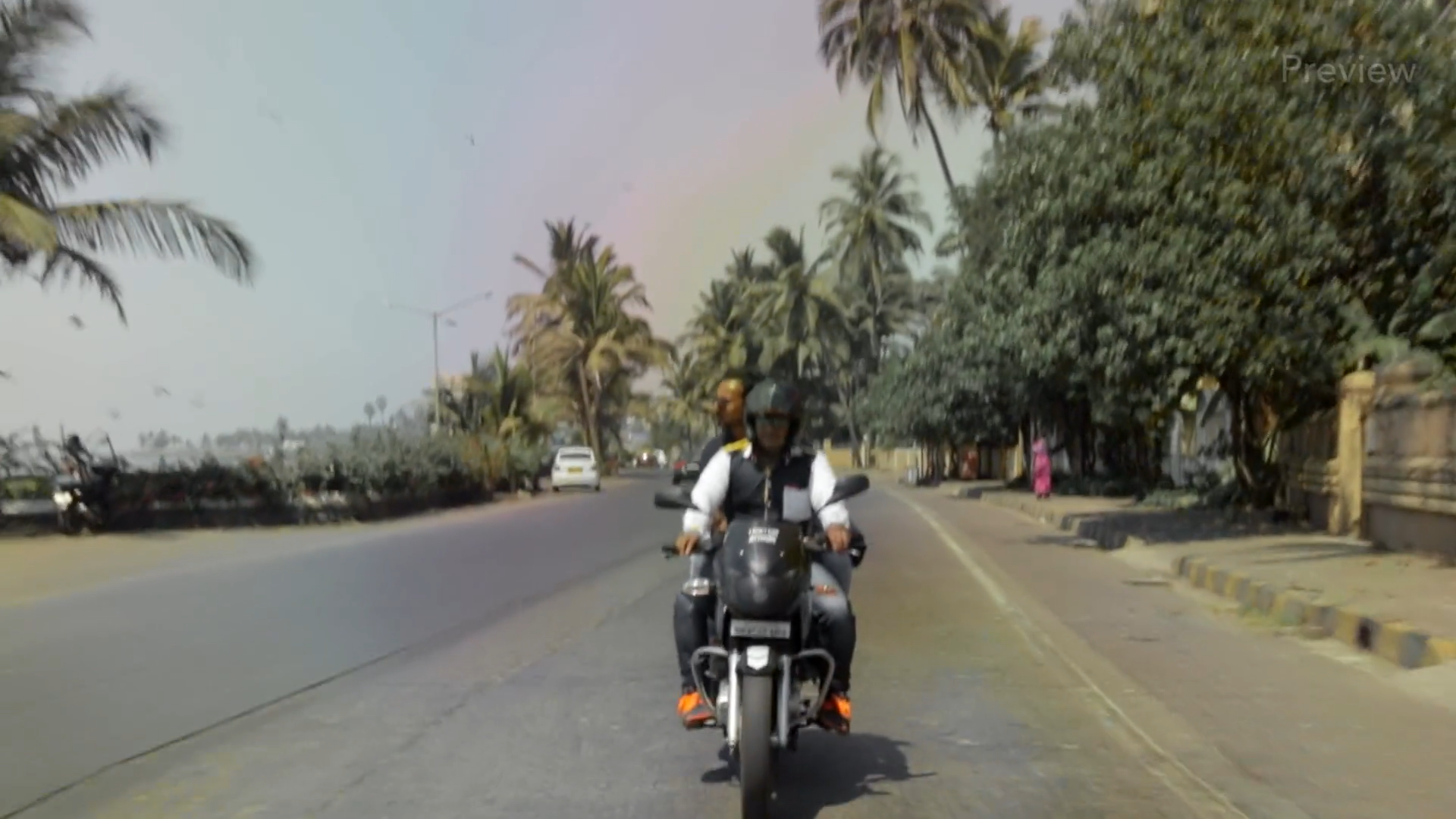

Take for example, shots of Javir and his friend riding through Bombay’s streets intercut with those of Amitabh Bachchan in the 1978 classic Muqaddar Ka Sikandar. As the title song of the movie about conquering one’s destiny plays along, one relives the potency of the timeless tale of a young person out to make it big in the world.
Or a young Damayanti Radheshwar smitten by the charm of Aparna Sen as she lit up the screens in the 1960s and 70s as the new ‘modern’ Indian working woman. Sen’s portrayal of the professional woman, graceful and gifted, made her almost like a “mentor” figure for Damyanti and her friends who often bunked college and lost themselves in the glow of the silver screen.

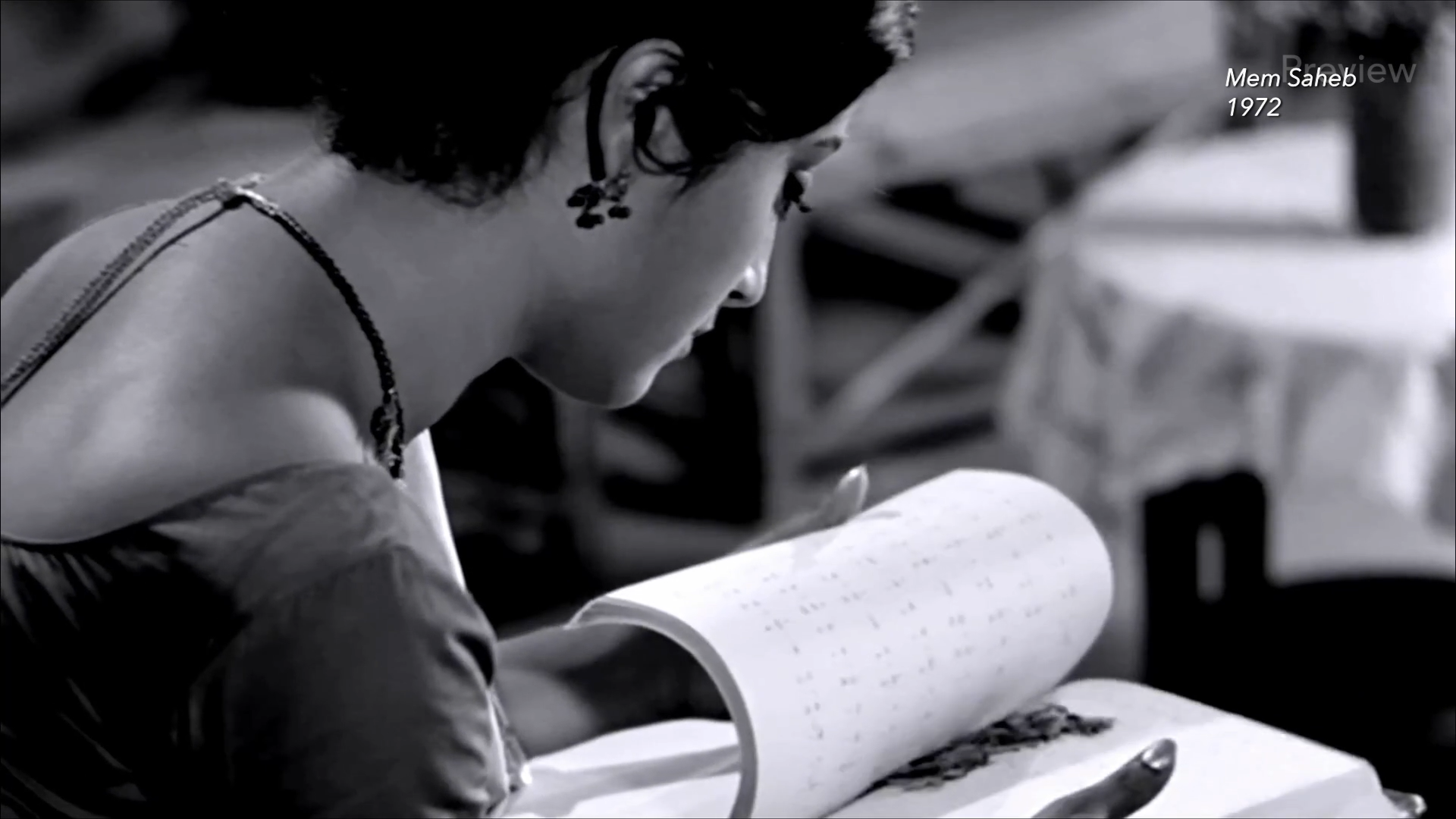
The decision to use film clips was fundamental, even though it complicated the film’s distribution—making it difficult to release on OTT platforms. Despite this, Vani felt it was essential. She wanted audiences to be reminded of why they go to the theatre in the first place—to relive that sense of wonder, like revisiting a magic show from childhood.

What truly sets single screens apart is their relationship with audiences. While they are run professionally, there is a stronger sense of human connection. As Farooq, the manager of Palace Cinema explains, a successful film doesn’t just benefit the theatre—it uplifts the entire ecosystem, including those in the catering service, from the popcorn vendors to the patty sellers. In multiplexes, these personal ties fade, replaced by a more detached, corporate structure. “Once a theatre expands into multiple auditoriums and sublets its canteen, the focus shifts entirely to numbers, reducing the communal experience to a transactional one”, says Vani. This depersonalization of labour isn’t limited to cinemas—it’s a pattern seen across industries as corporatisation takes hold, eroding the idiosyncrasies and human connections that once defined these spaces. But what is the cost of holding onto these buildings and these dreams in a world obsessed with convenience?

Vani says that in cities like Bombay and Lucknow, repurposing old single-screen theatres is a challenge. Owners often find themselves stuck with these spaces, unable to transform them into something new. Take Ashok Cinema in Lucknow featured in the film which is now completely non-functional, reduced to little more than a storage space. Some owners, however, remain deeply invested in preserving these historic cinemas. Nazir Hoosein, owner of Liberty Cinema, for example, cared more about the building’s art deco architecture—unlike his father, who was more passionate about the moving image. Under Nazir’s care, Liberty has remained pristine. The 75-year-old seats are still comfortable, even without cup holders, because modernization was never his priority. He was adamant about maintaining the theatre’s heritage, upgrading only where necessary and later switching to digital.

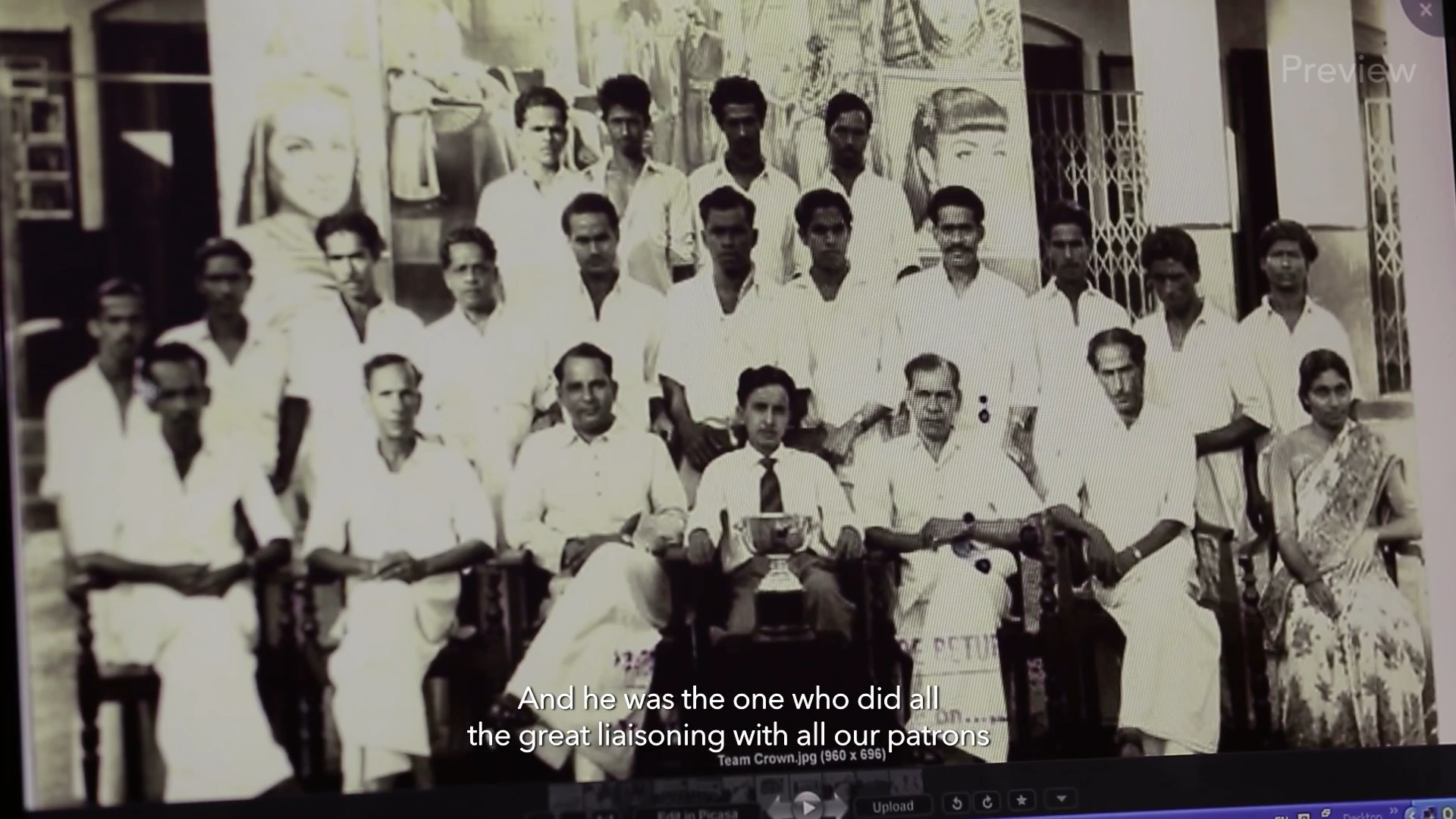
For single-screen theatre owners, it’s often an emotional connection to the spaces they own and the endless stories surrounding them. No wonder it was a daunting challenge for Vani to determine where to stop documenting. Older visitors would recall how, at Crown Theatre, Calicut, the sound of a passing train would momentarily overpower the film’s audio, as the railway tracks ran just behind the theatre. One of Crown’s first major renovations was installing air conditioning and replacing the old benches and sofas with proper seating. Then, about 15 or 20 years ago, they took a more daring step—dividing the theatre into two screens, while maintaining the spirit of the original single screen.

In Chennai’s Shanti Theatre, the transformation was even more inventive. Given the hall’s considerable height, the space was split horizontally to create an additional screen. Over the years, theatre owners have found creative ways to modernize single screens, adapting to changing times while striving to preserve their essence.
But Vani quickly realised that gaining access to these theatres for filming was a major hurdle. “It wasn’t just about selecting the right theatres—it was about finding the right connections to secure permission to shoot inside them”. There wasn’t a single theatre where she could simply walk in and start filming. Even with introductions, some owners refused outright, often without providing a clear reason.

For instance, while scouting locations in Badaun, where Javir and Farid used to watch films, Vani could only film inside completely abandoned buildings. She came across an incredible space that had been reclaimed in an unexpected way—an old theatre being used to dry carpets. Badaun is known for its carpet industry, and large spaces are essential for washing and drying them. When Vani managed to slip inside the theatre, she was amazed by its repurposing. This struggle for access extended beyond Badaun. In Bombay, where many single-screen theatres now cater to Bhojpuri films, permission was nearly impossible to obtain with or without personal introductions or longstanding ties with the owners.

The reason being that many of these theatres are massive properties entangled in ownership disputes or other legal issues, making unrestricted access a rarity. Ultimately, Vani had to build a wish list and navigate through these constraints. Key figures like Nazir, who had strong ties within the South Bombay theatre circuit, played a crucial role in helping her gain entry. Others to help in this regard were architects or people in the cultural and performing arts space with connections in the business. She encountered stories of theatre owners struggling with the weight of inherited properties, uncertain about their future. The personal struggles of these families became a vital part of the film’s narrative. In fact, a key challenge during the filmmaking process was having too many stories to tell rather than too few.

The film evolved in fragments, shaped by interruptions and the sporadic availability of funding. Grants arrived in small amounts, and each time Vani returned to the project, her perspective had shifted. This organic, stop-and-start process frustrated her at times but also became a strength, allowing the film to develop with fresh insights. Her cinematographer, Pooja Sharma, often expressed confusion about the film’s direction, and even Nazir joked that she would never finish it!
The long production timeline also brought technical challenges. Filming spanned nearly a decade, during which technology changed significantly—different cameras were used, some software became obsolete, and multiple cinematographers contributed to the footage. The challenge was to unify this material visually while preserving its historical layers, ensuring that the film felt cohesive without erasing the passage of time embedded in its making.

Yet, despite these uncertainties, Cinema Pe Cinema took shape. It ultimately became a reflection of both the theatres it documented and the organic, evolving nature of the filmmaking process itself. It was an exercise in patience, adaptation, and discovery—one that required constant negotiation between vision and reality. As Vani reflects on the immense labour of it all, she shares her favorite advice to young filmmakers, “If the people you meet while making a film don’t shift your understanding, then you’ve only found mouthpieces for your own ideas. It’s easy to be caught up in our own perspective, shaped by our background and experiences. But true storytelling requires more—it demands that you listen, allow yourself to be challenged, and embrace discomfort.”
“You may have a romantic notion of a single-screen cinema, but you also need to consider what it means for the families relying on it. You must have the patience to grasp the emotional and financial burdens they carry. Only by treasuring what you are given can you shape it into a meaningful story”. Cut!

 Ptenopus