
Shreya Bhowmik
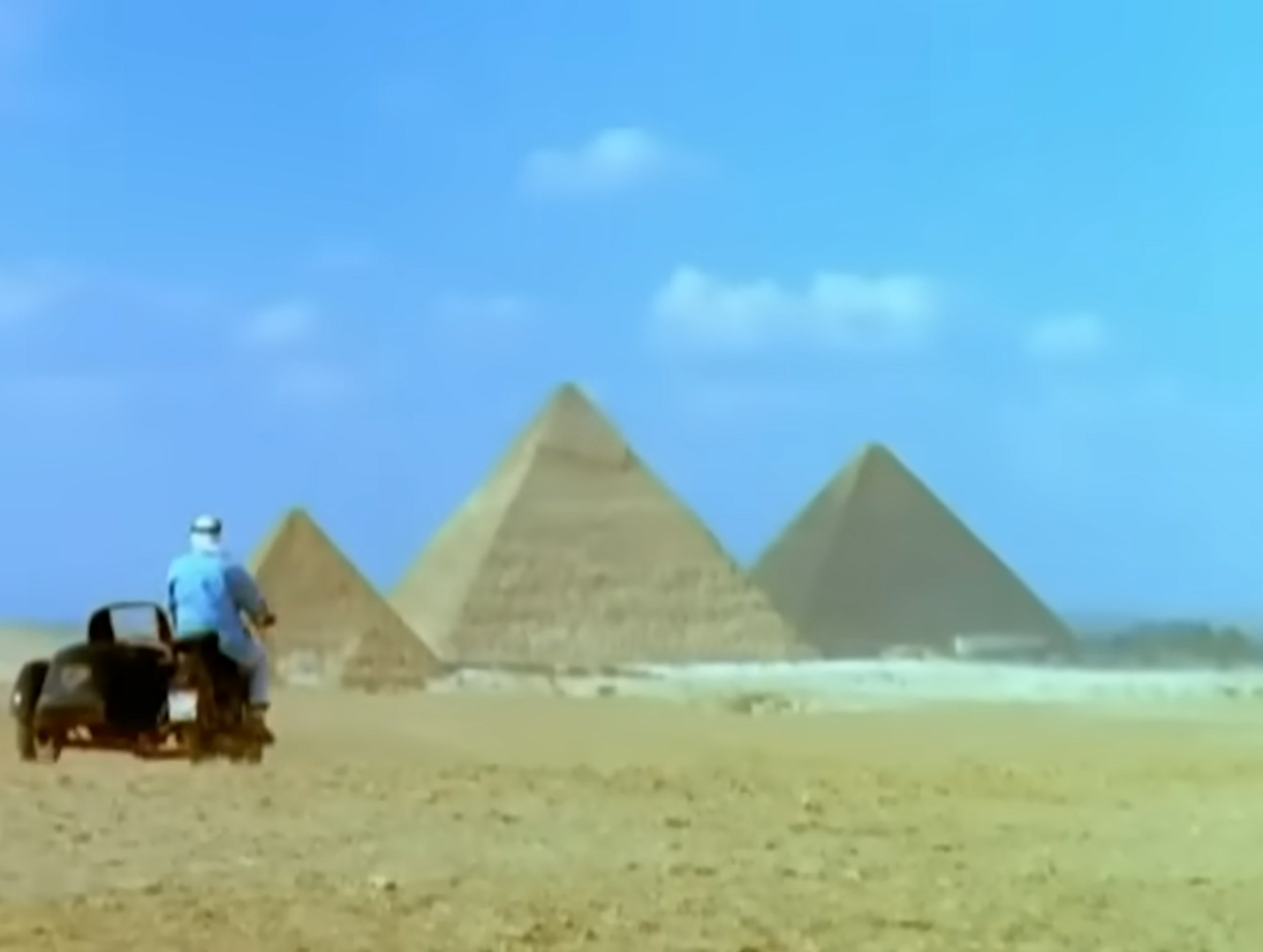
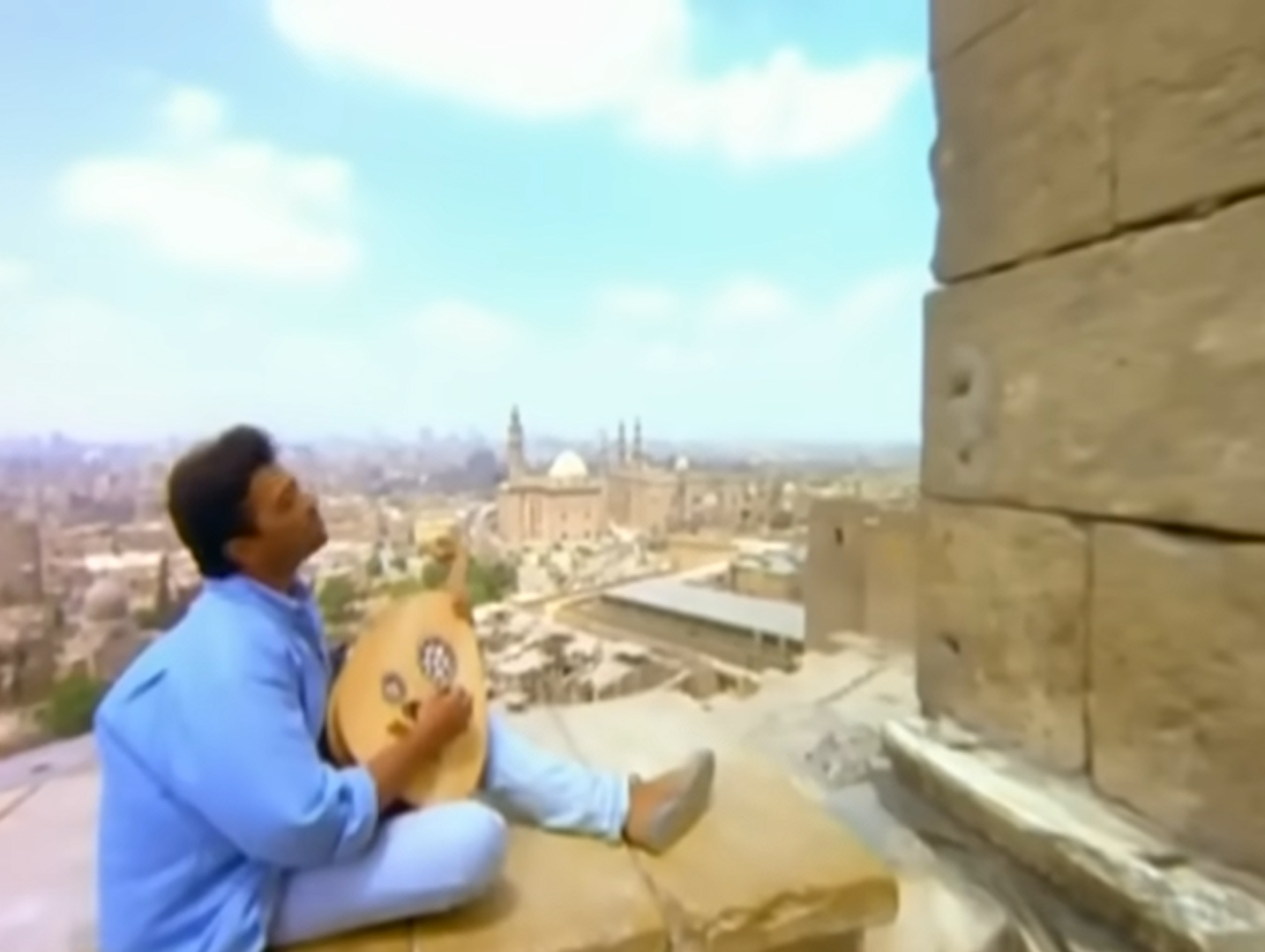
Lucky Ali’s “O Sanam” in his 1996 debut album Sunoh is still one of the most poignant love songs of and for my generation. The song and the accompanying music video which launched the artistic career of Ali was shot in Egypt, a then faraway (before the internet shrunk the world) and ‘exotic’ land, shrouded in ‘mystery’, with its pyramids and pharaohs. Moving between the past and the present, the song speaks of eternal love transcending time and perhaps space too, changing forms but leaving behind traces in the shimmering sands.
The music video of “O Sanam” seems to contain two subplots—that of Ali the young archeologist who is haunted by memories of a past life and Ali the authoritarian figure from the past.
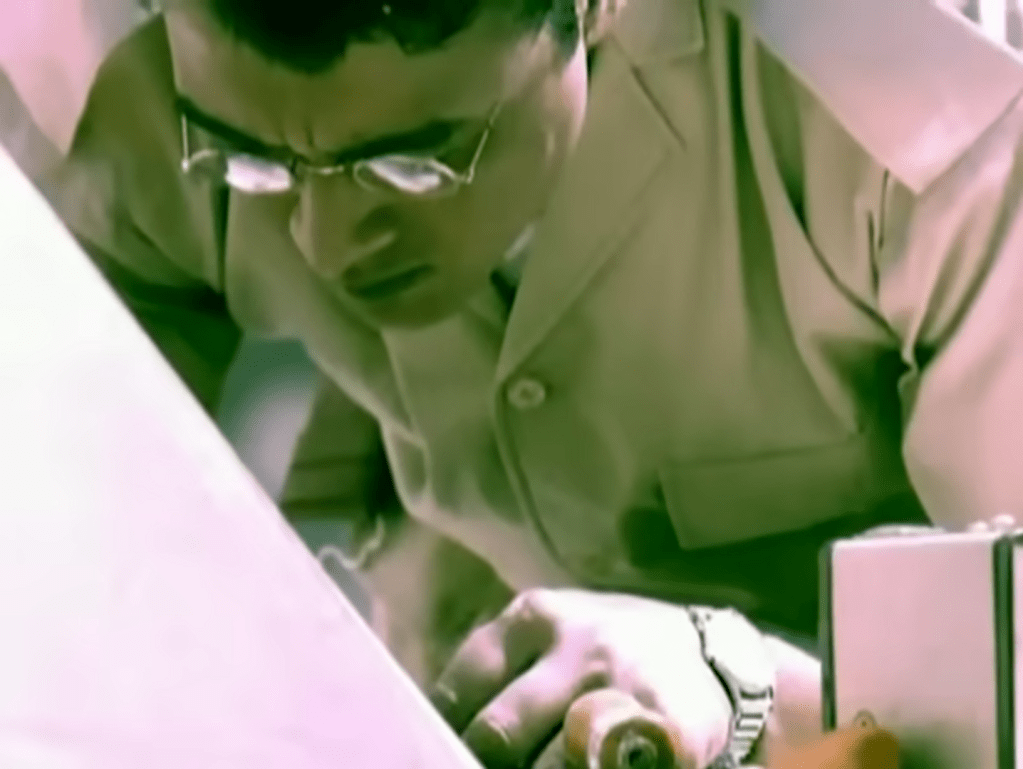

The face of a burqa-clad woman haunts all his characters. We see her in black as she peeps into the archeologist’s workspace, bearing uncanny similarities with the woman draped in blue hijab from a previous lifetime where they were entangled in a star-crossed romance.


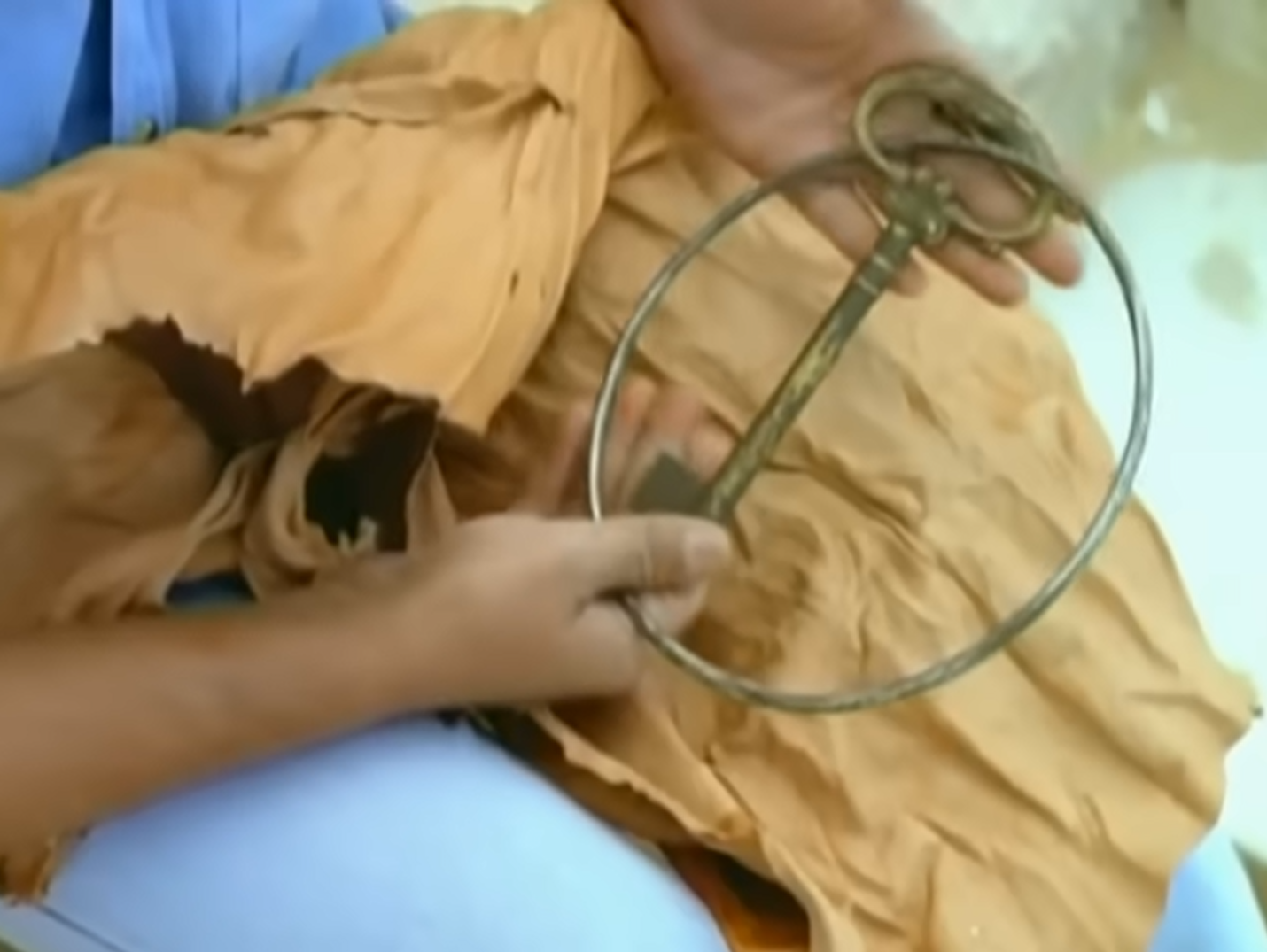
A prison key seems to be the only object linking these disparate worlds. One could read the choice of this symbol in the context of the setting as an apt one since ankh, sometimes referred to as the key of life, is an ancient Egyptian hieroglyphic symbol representative of eternity. As the video slowly reveals, this key ultimately spells doom for the lovers. It becomes a wound that he carries even after death.
Time, thus, becomes a character weaving an epic tale of tragic romance. It is both infinite and deceptive like the sandy deserts of Egypt and lends an aura of mystery to the song which is fascinating. Long after it ends, Ali’s iconic humming continues, much like the unfinished love story of his characters. He appears to me the perfect shape shifter or time traveler, straddling multiple worlds and eras. Wearing a headscarf, smoking hookah and playing dominos with the locals, he blends easily with the surroundings. Yet with his bike, blue shirt and hazel eyes he looks like a Bedouin, a nomad with no obvious roots, in search of his destiny.

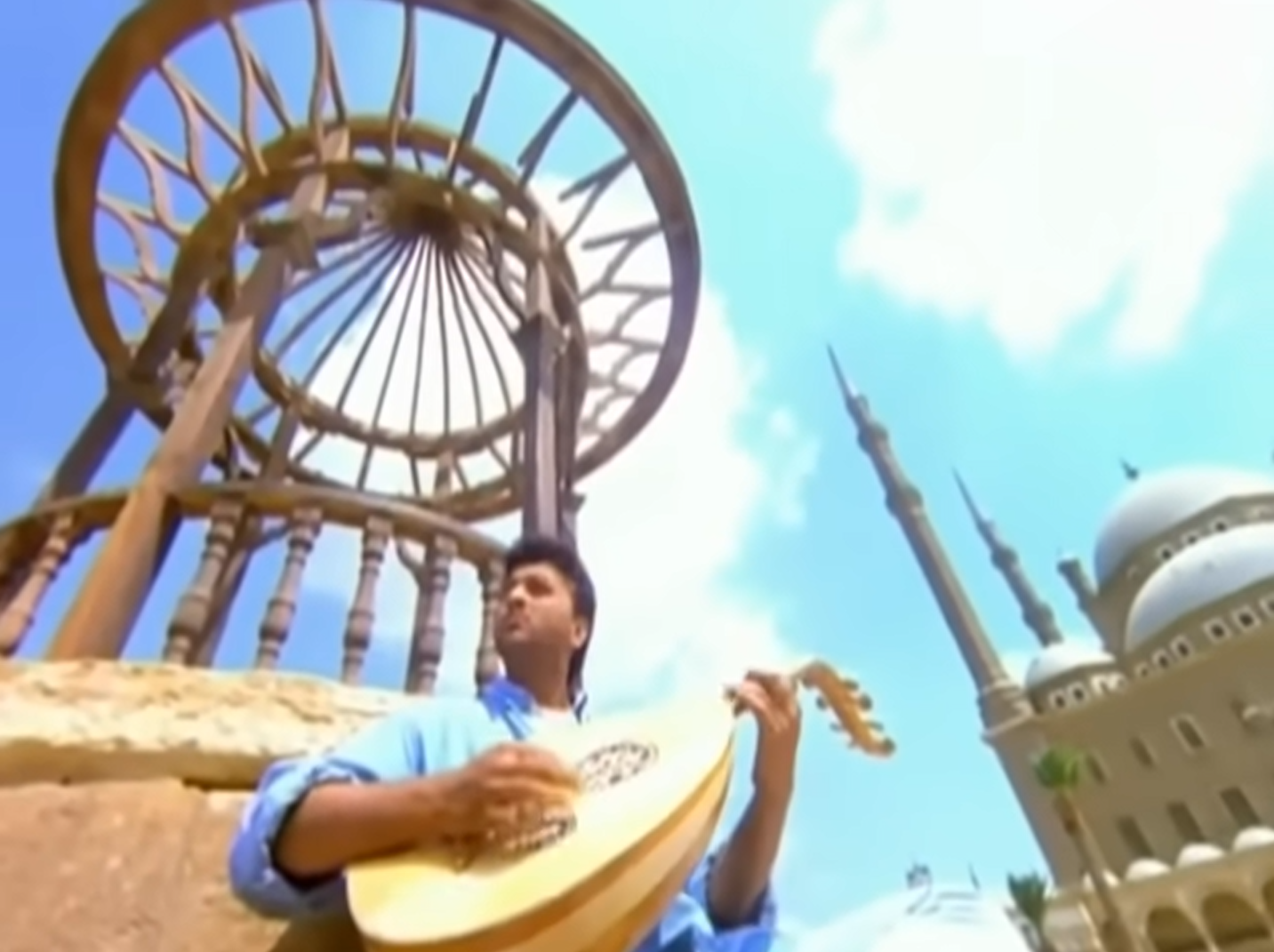
Looking back, it seems poetic that this folk-pop song which heralded a shift in the music scene in India came out at a time when greater socio-cultural changes were afoot. India at the turn of the century was undergoing a liberal makeover. Radio was a big deal and web still meant spider’s web. Music, outside of what Bollywood produced and distributed, reached people through MTV and Channel V that created an interesting confluence of the East and the West. It was a time when Ali’s compositions, with sparse and experimental musical arrangements was an exception and not the norm. For instance, in “O Sanam”, diverse instruments like maktab, a kind of African drum, and oud, a Middle Eastern stringed instrument, creates a unique sonic experience.
Besides the musical elements, Ali also set the template in myriad ways—one of them being the dreamscape nature of the videos themselves. The ones that you now find on YouTube have a grainy quality but the whimsy that they ooze in each frame is a delight! All these music videos primarily rely on a heightened scale of imagination and fantasy when it comes to plotlines; simple lyrics and no grand VFX. Ali’s songs, in particular, have the charm of distant locations creating a cosmopolitan aesthetic. “Dekha Hai Aise Bhi”, from his 1998 album Sifar, shot in Arizona, with its frames of cramped motels and warm terrains of American South evokes the timeless desire to know oneself through the world. In his 2004 song “Tere Mere Saath Jo Hota Hai”, he cruises down the streets of Cuba in a convertible, looking for his lady love. In most of his music videos he imbibes the spirit of an explorer, singing of a common human experience across geographical boundaries and time periods. The delight and surprise of seeing him in different cultural avatars—donning a Native American bone choker, a Middle Eastern keffiyeh or a Cuban Fedora—elevates the whole experience of exploring the world with Ali in full colour where love is the unifying force.

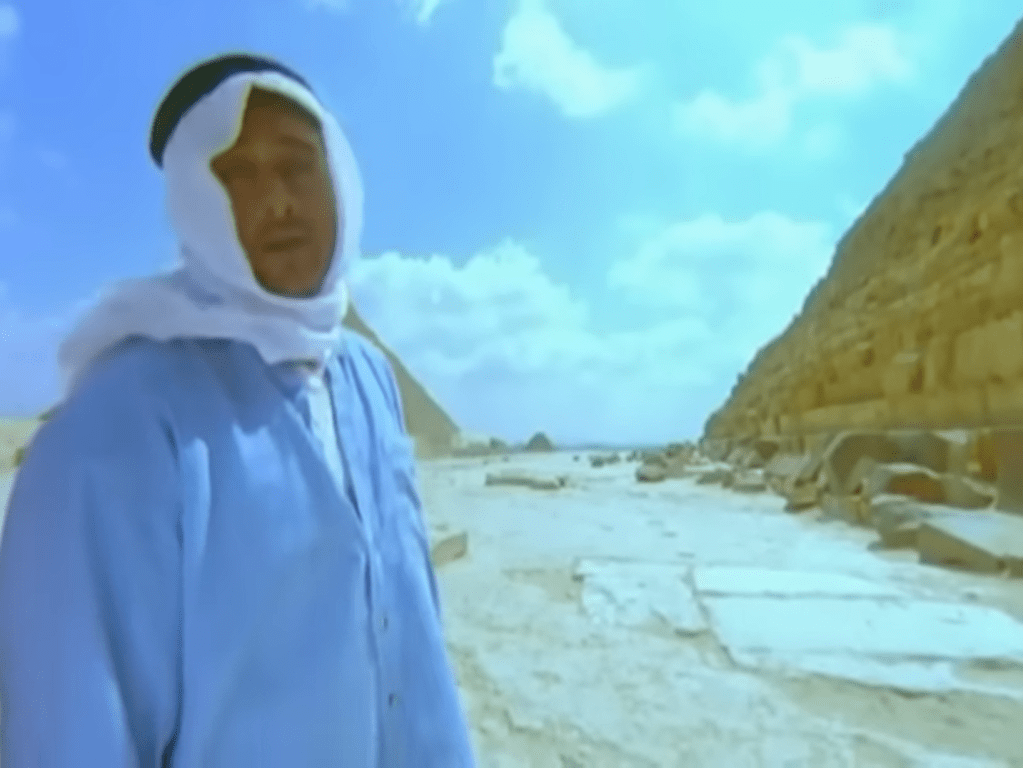
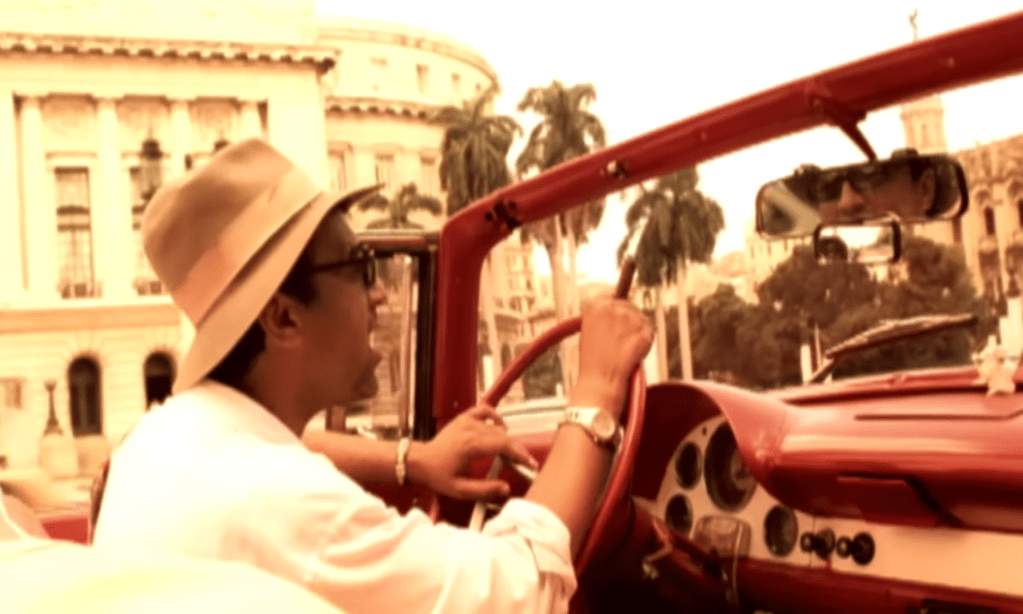
Celebrated with much less pomp and much more awe, in Ali’s videos love is the ultimate fantasy that inhabits the landscapes. And as Ali sits on the edge of a terrace, overlooking an ancient city and reminiscing about infinity in “O Sanam”, he takes us on a one-of-a-kind magical journey, one that still evokes in me the joie de vivre that the world has to offer!
Shreya Bhowmik is an independent research scholar presently based out of Kolkata, India. She loves watching cinema and writing about them. Bhowmik’s written works have been published in several online magazines and platforms such as Gulmohur Quarterly, Live Wire, Ptenopus, and Critical Collective.
 Ptenopus